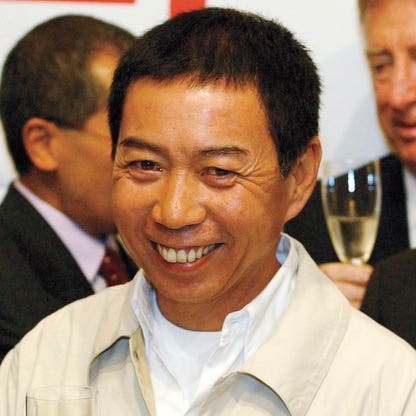
Michael Ying Net Worth: Why Specific Data Is Hard to Find
In the world of high finance and global commerce, certain names resonate with success, influence, and considerable wealth. Michael Ying is undoubtedly one such figure, a well-known Hong Kong billionaire whose journey, particularly with the iconic fashion brand Esprit, has left an indelible mark on the retail landscape. Yet, for many who seek to quantify his financial standing, the precise figure for Michael Ying net worth remains surprisingly elusive. Unlike many publicly traded executives or celebrities whose fortunes are meticulously tracked, pinpointing an exact, verifiable number for Ying's wealth presents a unique challenge.
This article delves into the complexities of estimating the wealth of private individuals like Michael Ying, exploring the reasons behind the scarcity of concrete data and offering insights into how such figures are generally approached by financial media. We'll examine his known business ventures and the factors that contribute to his significant, albeit unquantified, fortune, while also clarifying common confusions.
The Elusive Figure: Why Pinpointing Michael Ying Net Worth Is Complex
The quest to determine the exact Michael Ying net worth often leads to a landscape of approximations and informed speculation rather than definitive numbers. Several factors contribute to this pervasive lack of specific data, a phenomenon common among many ultra-high-net-worth individuals, particularly those operating largely outside of direct public company leadership:
- Privacy and Discretion: Wealthy individuals often prioritize privacy regarding their personal finances. Unlike publicly traded companies that are legally mandated to disclose financial information, private wealth holders are not under the same obligations. This discretion is a common trait among those who have amassed fortunes through entrepreneurial endeavors and private investments, preferring to keep their financial dealings out of the public eye.
- Nature of Assets: A significant portion of Michael Ying's wealth, like that of many billionaires, is likely tied up in private equity investments, real estate holdings, art collections, and other illiquid assets. Valuing these assets accurately is incredibly difficult without insider information. Publicly traded stocks have clear market values, but a private mansion or a stake in a non-listed company requires detailed, often proprietary, financial analysis.
- Dynamic Market Conditions: Net worth is not a static figure; it fluctuates constantly with market conditions, investment performance, and personal spending or philanthropic activities. Even if a precise figure were available on a given day, it would quickly become outdated. This inherent fluidity makes any single reported number a snapshot rather than a definitive statement of enduring wealth.
- Lack of Public Disclosure Requirements: For individuals who are not founders or CEOs of major public companies, there are few, if any, requirements to disclose their entire financial portfolio. While his past role with Esprit was public, much of his subsequent wealth management and investment activities would typically occur behind closed doors.
These elements combine to create a veil of secrecy around the true extent of his fortune, making any concrete valuation of Michael Ying net worth a formidable challenge for even the most diligent financial reporters.
Distinguishing Michael Ying from Other Prominent Figures
One common source of confusion when searching for detailed financial information about prominent Asian businessmen can arise from similar-sounding names or general associations with wealth. It's important to clarify that Michael Ying is distinct from other wealthy figures who might appear in net worth discussions.
For instance, some search results or discussions might inadvertently lead to information about Wei Ying-Chiao, a Taiwanese billionaire known for his involvement in the food and beverage industry through Ting Hsin International Group. While both are highly successful entrepreneurs from Asia, their business empires, industries, and personal histories are entirely separate. Michael Ying's legacy is predominantly rooted in fashion and retail, particularly his transformative role at Esprit, which we will explore further.
Understanding these distinctions is crucial for accurate financial research and helps to avoid misattributions. The specific focus on Michael Ying ensures that any discussion of his net worth remains tethered to his actual business accomplishments and investment portfolio, rather than conflating it with others' fortunes. For a more detailed breakdown of these differences, you can refer to our article: Michael Ying Net Worth vs. Wei Ying-Chiao: Clearing Confusion.
Tracing Michael Ying's Path to Prosperity: The Esprit Connection and Beyond
While an exact figure for Michael Ying net worth is difficult to ascertain, his undeniable wealth stems significantly from his visionary leadership and strategic decisions, most notably with the Esprit Holdings empire. Ying joined Esprit Asia in 1993, eventually becoming the chairman and revolutionizing the brand into a global fashion powerhouse. Under his stewardship, Esprit expanded aggressively across Asia and Europe, becoming a household name synonymous with casual, contemporary fashion.
His shrewd business acumen saw him divest his stake in Esprit at opportune times, netting him substantial returns. After selling his entire stake in Esprit by 2006, Ying reportedly received a considerable sum, laying the foundation for his continued status as one of Hong Kong's wealthiest individuals. This landmark transaction alone ensured his financial independence and provided significant capital for future endeavors.
Post-Esprit, Michael Ying has not retired from the business world. His portfolio is understood to include a diverse range of investments, often through private vehicles. These could span:
- Private Equity: Investing in promising private companies across various sectors, from technology to consumer goods. These investments are typically long-term and aim for significant growth, but their valuations are not publicly reported.
- Real Estate: High-net-worth individuals frequently hold significant portions of their wealth in prime real estate, both commercial and residential. These properties can appreciate substantially in value but are not easily assessed by outsiders.
- Strategic Investments: Ying is known to have a keen eye for opportunities, potentially involving stakes in other fashion brands or luxury goods companies, leveraging his extensive industry experience.
- Art and Collectibles: Many billionaires diversify their portfolios with high-value art, classic cars, or other unique collectibles, which can represent significant wealth that is rarely disclosed or easily valued.
The combined value of these diverse and often private holdings contributes to his substantial net worth, even without a specific number attached. It's the cumulative success of these ventures, spearheaded by his strategic insight, that solidifies his position as a prominent figure in global finance. For more on the specifics of what publicly available information indicates about his wealth, you might find our related article insightful: Searching Michael Ying Net Worth? What Our Sources Show.
How Net Worth Is Estimated for High-Profile Individuals (and Why It's Often a Guess)
When financial publications like Forbes or Bloomberg publish lists of the world's richest people, they often include individuals whose wealth is predominantly private. These figures, including any potential estimates for Michael Ying net worth, are products of intensive research and sophisticated estimation methodologies rather than direct disclosures. Here’s how they typically approach it:
- Public Company Stakes: If an individual holds significant shares in a publicly traded company, the value of those shares is easily calculated based on the stock price. This is usually the most straightforward component.
- Reported Sales and Acquisitions: Major transactions, such as the sale of a large company (like Ying's divestment from Esprit) or the acquisition of significant assets, provide a baseline. Researchers use publicly available records of these transactions to estimate inflows of capital.
- Known Real Estate Holdings: Public property records can reveal ownership of valuable estates, though the exact market value might require expert appraisal.
- Insider Information (Carefully Vetted): Financial journalists sometimes gain insights from industry analysts, former employees, or associates who have some knowledge of a private individual's holdings, though such information is always treated with caution and cross-referenced.
- Private Company Valuations: This is where it gets highly speculative. Researchers might use industry comparables, revenue multiples, or estimated profits to guess the value of private businesses an individual owns. This is highly sensitive to market conditions and available data.
- Deductions for Debt and Philanthropy: While harder to track privately, publications attempt to account for known debts and significant charitable donations, which can reduce an individual's net worth.
Despite these methods, it's crucial to understand that these numbers are estimates. They come with inherent limitations due to the opacity of private wealth, the dynamic nature of investments, and the sheer volume of assets that can be held across multiple jurisdictions. Therefore, any figure reported should be viewed as an informed approximation, not a precise accounting.
Tips for Understanding and Researching High-Net-Worth Individuals
For those interested in understanding the financial landscape of figures like Michael Ying, here are some practical tips and actionable advice:
- Focus on Public Milestones: Instead of chasing an exact number, focus on significant public milestones in their career – major company sales, initial public offerings (IPOs), or large-scale acquisitions. These events provide concrete evidence of substantial wealth generation.
- Consult Reputable Financial News: Rely on established financial publications (e.g., Bloomberg, Forbes, The Wall Street Journal) that specialize in wealth tracking. Be critical, though; even these sources often preface their figures with disclaimers about estimation.
- Understand the 'Why': Ask yourself *why* an exact number is hard to find. As discussed, it often points to a strategic choice for privacy or the nature of their wealth being tied to private, illiquid assets.
- Look for Trends, Not Just Figures: Observe the trajectory of their business activities. Are they still actively investing? Are their known ventures performing well? This gives a better sense of their ongoing financial health than a single, potentially outdated, net worth figure.
- Differentiate Between Gross and Net: Remember that "net worth" is assets minus liabilities. Without knowing an individual's debts, it's impossible to get a truly accurate picture. Public estimates usually focus on asset valuation.
- Respect Privacy: Acknowledge that for many, financial privacy is a valued aspect of their personal life. The absence of a public figure often means it's intentionally kept private.
Conclusion
Michael Ying stands as a testament to entrepreneurial vision and strategic brilliance, particularly through his transformative leadership at Esprit. While his immense contributions to the fashion industry and his significant financial success are undeniable, the precise calculation of Michael Ying net worth remains a topic shrouded in the inherent complexities of private wealth management. The reasons are multifaceted: a preference for privacy, the nature of his diverse and often illiquid asset portfolio, and the dynamic fluctuations of global markets.
Ultimately, while we may not have a definitive numerical answer, Michael Ying's influence and acumen in the business world speak volumes about his financial standing. He remains a figure of considerable wealth and impact, whose story continues to inspire, even as the exact figures of his fortune remain a private matter.